
The Glitch Fix Toolbox
Neurokinetic Therapy
Dry needling
Craniosacral Therapy
Remedial Massage
What is NeuroKinetic Therapy® (NKT)?as,
NeuroKinetic Therapy®, or NKT®, is a muscle-testing protocol that I use to identify compensation patterns within the body.
This is where NKT® comes in.
Using a series of muscle tests, I look at how different muscles are functioning and interacting with one another.
The idea is to identify muscles that may be working too hard and others that aren't contributing as effectively as they should.
Once I've identified a potential compensation pattern, I'll use a treatment technique to calm down, or downregulate, the overactive muscle, followed closely by gentle activation exercises for the underactive muscle.
I'm a Level 3 NKT ®practitioner, and I absolutely love this technique.
I've seen some really encouraging results in my clinic, including improvements that clients have maintained over time.
For me, it's one of the most fascinating parts of bodywork, because rather than just focusing on where something hurts, we're exploring why the body might be moving or functioning the way it does in the first place.
Neurokinetic therapy explained by the founder - David Weinstock
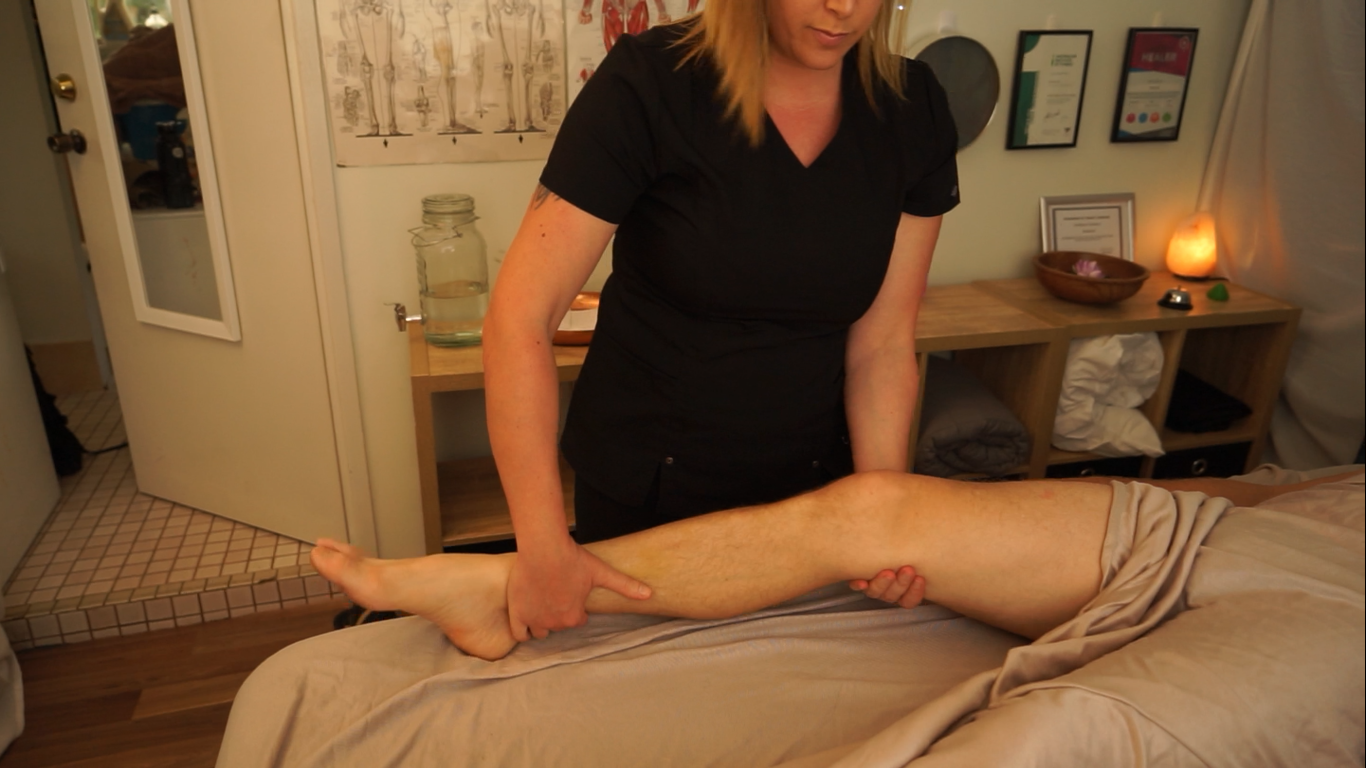
Let me explain what that means.
Our bodies are incredibly clever at adapting. If you've had an injury, surgery, or even repetitive strain, your body may change the way it moves to protect you and keep you functioning.
And that's fantastic when you need it!
But the problem is, sometimes those compensation patterns stick around long after the original injury has healed.
I like to compare it to a workplace.
Imagine you're doing your own job, but then someone else stops doing theirs, so you have to pick up their workload too.
Now, you might manage that for a while, but eventually you're going to get overworked, exhausted, and things are probably going to start breaking down.
Well, our muscles can behave in a similar way.
Dry Needling
Dry needling uses fine, sterile needles inserted into specific muscles or areas of tension to help manage muscular pain, tightness and restricted movement.
It can be particularly useful for targeting sensitive areas within muscles, often called trigger points. Treatment is tailored to your individual needs and comfort levels.
02
Collaborative
Energy
03
Expert
Facilitation
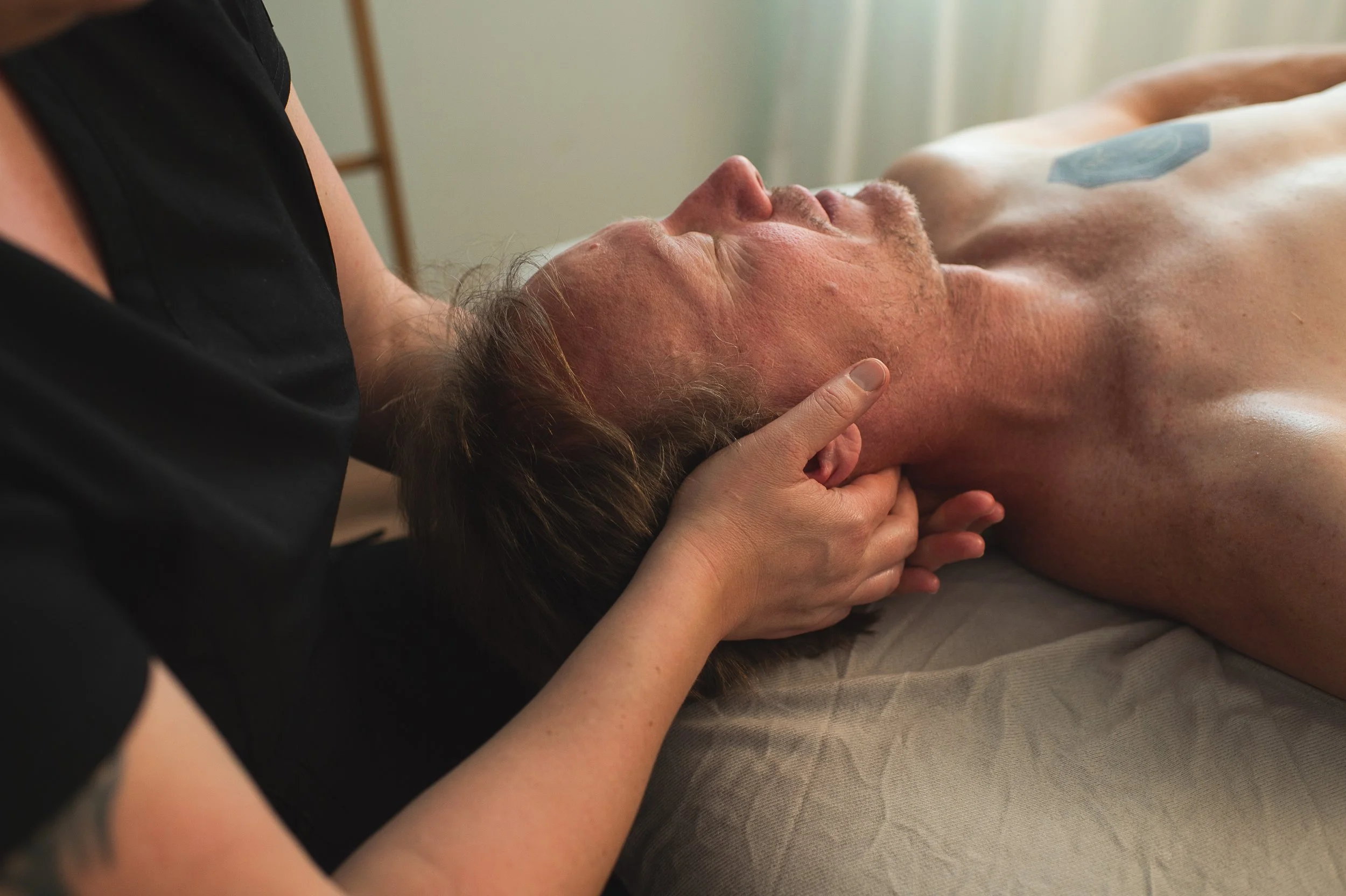
Craniosacral therapy (CST) - Upledger method
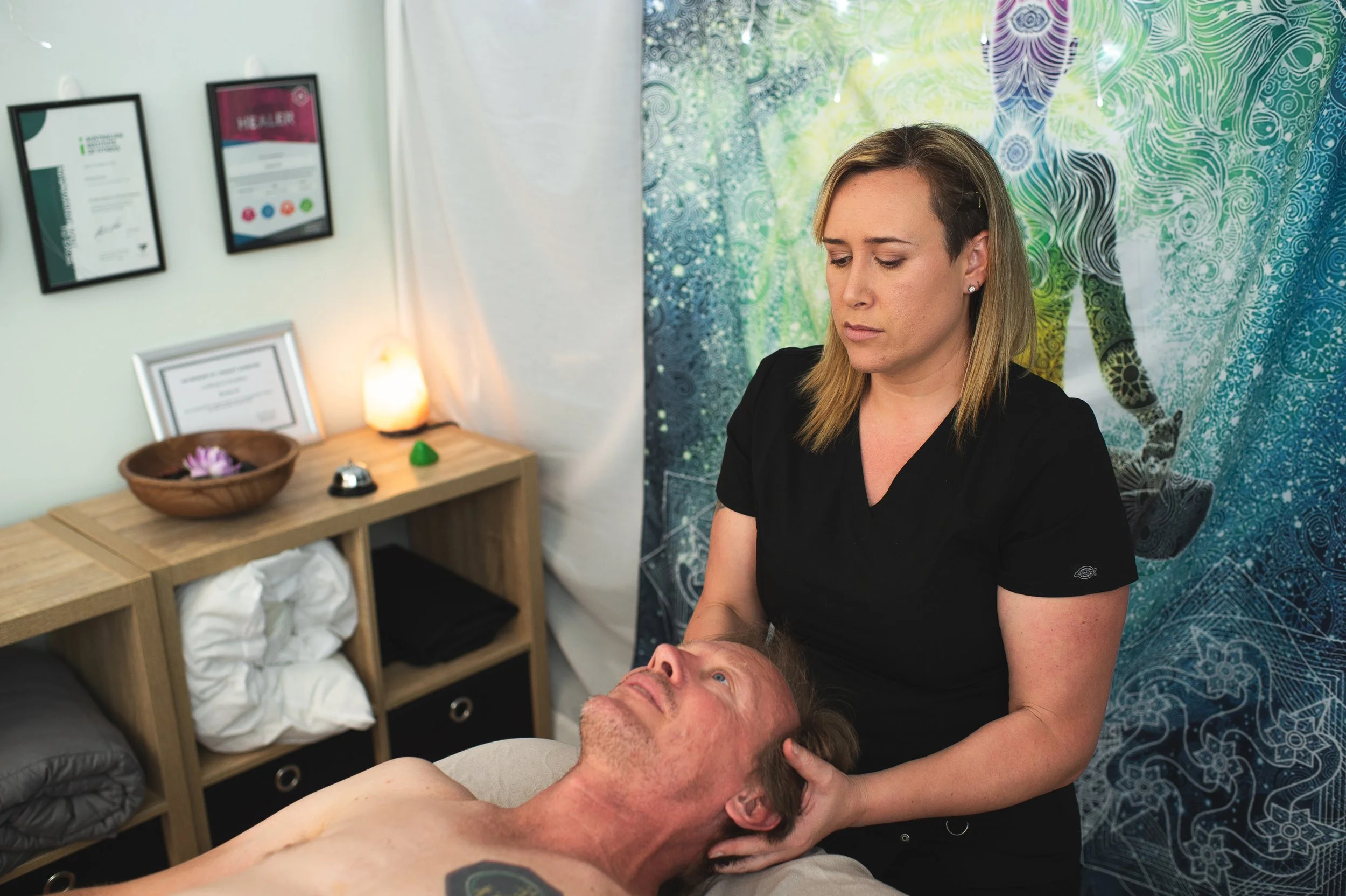
CranioSacral Therapy is a gentle, hands-on approach developed by osteopathic physician Dr John E. Upledger, following extensive research at Michigan State University between 1975 and 1983.
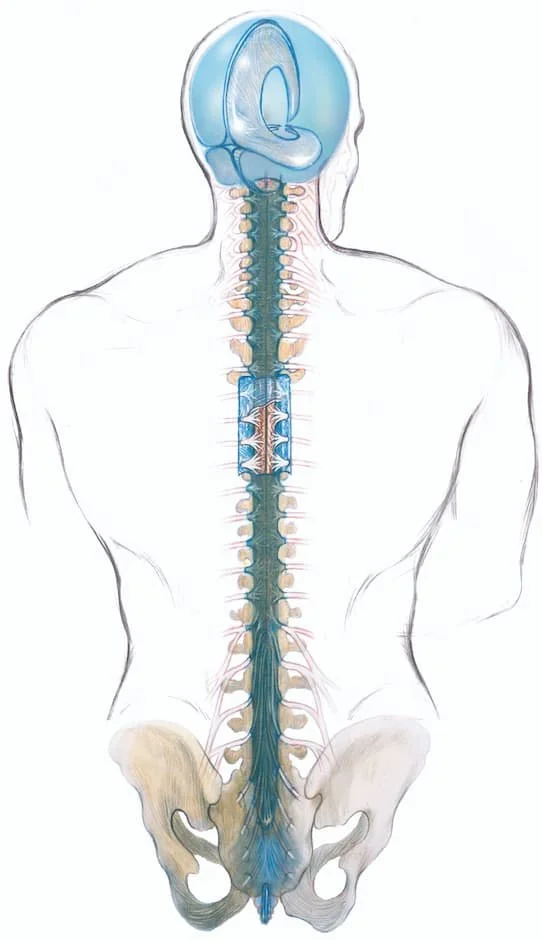
Based on the understanding that the body functions as an interconnected whole, CST focuses on the craniosacral system, which includes the membranes and cerebrospinal fluid surrounding the brain and spinal cord.
Using an exceptionally light touch, typically around 5 grams of pressure, practitioners gently assess and work with areas of tension and restriction throughout the body.
The Upledger approach recognizes the relationship between physical structures, physiological rhythms and the body's natural self-regulating processes. Treatment aims to encourage deep relaxation, ease physical tension and support the body's innate capacity for balance and wellbeing.
CST offers a gentle, whole-body approach that considers the connection between physical comfort, emotional wellbeing and the nervous system.
Reference: Upledger Institute International. What Is CranioSacral Therapy?
https://www.upledger.com/courses/what-is-craniosacral-therapy
CST is beneficial for:
Remedial Massage (RMT)
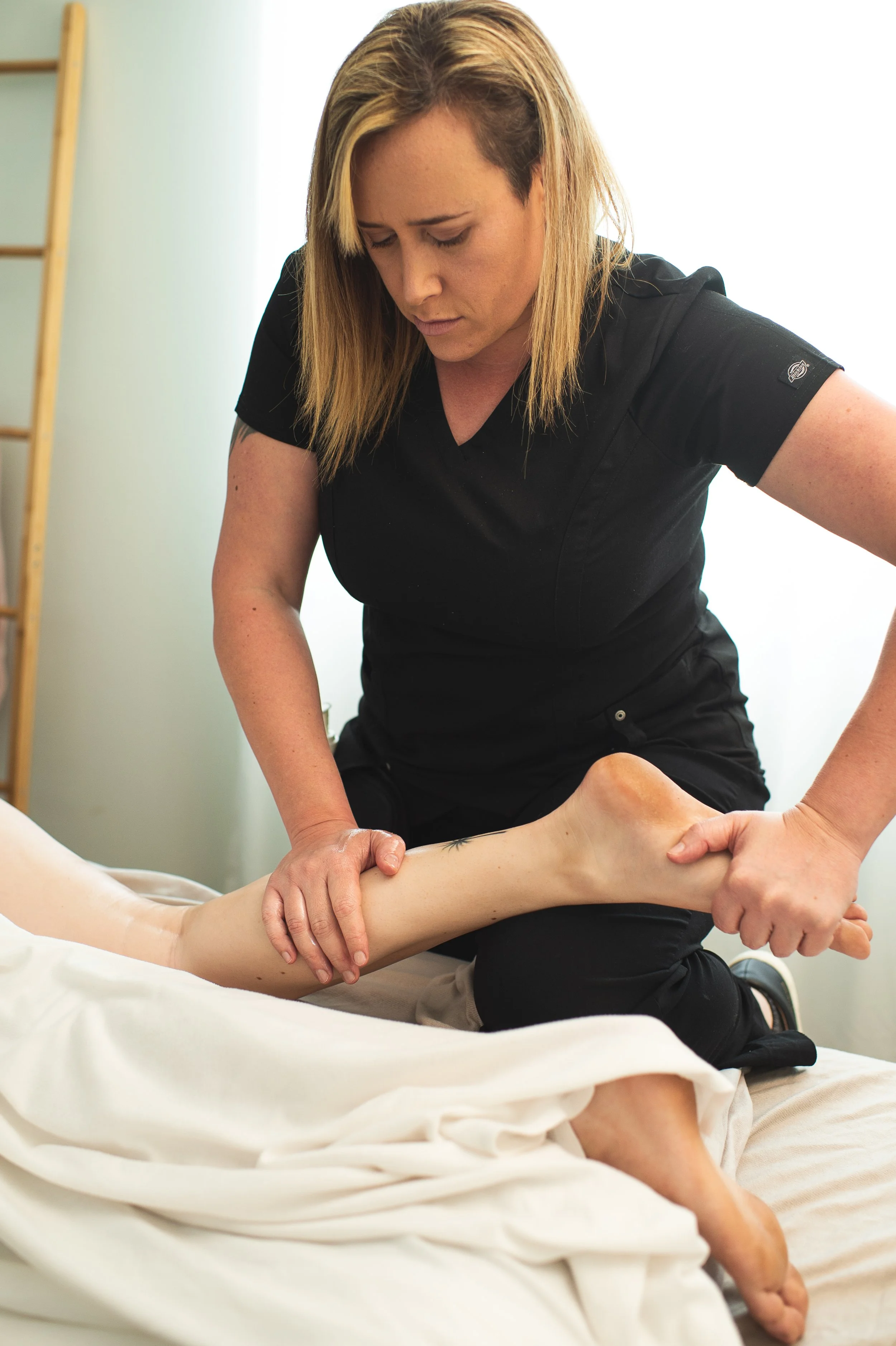
Remedial massage is a therapeutic, hands-on approach designed to assess and treat muscle tension, pain, restricted movement and soft tissue dysfunction.
Unlike a traditional relaxation massage, remedial massage focuses on identifying areas of discomfort, understanding contributing factors and using targeted techniques to help improve how your body feels and moves.
RMT Techniques
Deep Tissue Massage
Focused pressure to relieve deeper muscle tension and discomfort.
Trigger Point Therapy
Targeted pressure to ease sensitive muscle points and referred pain.
Myofascial Release
Gentle, sustained techniques to reduce fascial tension and improve movement.
Soft Tissue Mobilisation
Hands-on techniques to ease stiffness and improve mobility.
Muscle Energy Techniques (MET)
Gentle muscle contractions to improve flexibility and joint movement.
Passive & Assisted Stretching
Guided stretches to reduce stiffness and improve range of motion.
Cross-Fibre Friction
Focused techniques to address localised soft tissue discomfort.
Swedish Massage
Flowing strokes and kneading to promote relaxation and ease muscle tension.
RMT is beneficial for :
Jaw Pain & TMJ Issues – Jaw clicking, clenching, grinding and difficulty opening your mouth.
Headaches & Migraines – Frequent headaches, migraines and tension around your head, neck and shoulders.
Neck & Shoulder Pain – Stiff necks, tight shoulders, bursitis and difficulty moving your arms comfortably.
Hip & Lower Back Pain – Aching hips, hip bursitis, tight glutes and ongoing lower back discomfort.
Disc Problems & Scoliosis – Muscle pain and stiffness associated with bulging discs, slipped discs and spinal curvature.
Sciatica & Nerve Pain – Shooting pain, tingling or discomfort travelling into your arms or legs.
Tendon & Elbow Pain – Tendinitis, tennis elbow, golfer's elbow and overuse injuries.
Wrist & Hand Pain – Carpal tunnel symptoms, repetitive strain injuries (RSI) and aching forearms.
Foot & Heel Pain – Plantar fasciitis, tight calves and sore feet.
Muscle Pain & Restricted Movement – Muscle strains, stiffness, sports injuries and difficulty moving freely.
You don't need to know exactly what's causing your pain before booking. We'll discuss your symptoms, assess your movement where appropriate and work together to find a treatment approach that suits your needs.
Remedial massage may help manage muscular pain and tension associated with these conditions. It doesn't replace medical care or correct structural spinal problems. New or worsening numbness, tingling or weakness should be medically assessed
Dry Needling
Dry needling uses fine, sterile needles inserted into specific muscles or areas of tension to help manage muscular pain, tightness and restricted movement.
It can be particularly useful for targeting sensitive areas within muscles, often called trigger points. Treatment is tailored to your individual needs and comfort levels.